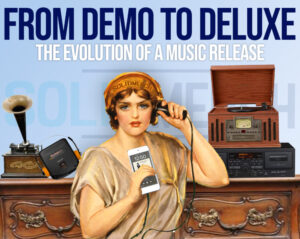
From Demo to Deluxe: The Evolution of a Music Release
Releasing music has always been about more than just sound. It’s about creating a connection, building a community, and leaving behind a piece of art that resonates long after the final note fades. But the way we package and present that music has shifted dramatically over the decades. From scratchy wax cylinders to sleek deluxe box sets, the journey of the music release is as fascinating as the music itself. Let’s take a deep dive into how music releases have evolved and what that means for artists today.
The Early Days: Music as a Physical Artifact
Before the age of streaming and instant downloads, music wasn’t just heard—it was held. The earliest form of commercially released music came in the late 19th century with Thomas Edison’s phonograph and later, Emile Berliner’s gramophone. These inventions introduced the idea that music could exist outside of a live performance, captured permanently on wax cylinders and flat discs.
Back then, owning a piece of music meant literally owning a fragile object. Each recording was short, often just a few minutes long, and the fidelity was far from perfect. Still, this was revolutionary. People could now bring music into their homes. For the first time, you didn’t need to be in the same room as a musician to hear them play.
This physicality set the stage for what was to come: music wasn’t just sound, it was something you could collect, trade, and treasure.
The Vinyl Revolution
By the 1940s and 50s, vinyl had taken over as the dominant format. The introduction of the 33 1/3 RPM LP (long-playing record) allowed entire albums to be pressed, not just short singles. Suddenly, artists could create cohesive bodies of work with intentional flow from track to track. On the flip side, the 45 RPM single became the perfect format for radio-friendly hits.
Vinyl wasn’t just about sound, but also about visuals. Album artwork exploded in importance during this era. Legendary covers like The Beatles’ Sgt. Pepper’s Lonely Hearts Club Band or Pink Floyd’s Dark Side of the Moon turned records into visual statements as much as musical ones. Fans didn’t just buy albums for the songs; they bought them for the full sensory experience.
Vinyl culture also gave rise to a deeper relationship between artists and fans. Liner notes, lyrics, credits, and band photos gave listeners a window into the world behind the music. Records became souvenirs of an era, artifacts that defined personal identity and community. Today, vinyl pressing has reemerged as a powerful way for artists to connect with fans through tangible, collectible art.
The Tape Era: Portable and Personal
If vinyl was about the living room, tapes were about mobility. The cassette tape, introduced in the 1960s, transformed the music release into something portable. Suddenly, music wasn’t confined to a turntable. Now it could go in your car, your Walkman, or even a boombox you carried down the street.
Cassette culture exploded because it wasn’t just about what you bought, but what you could make. Blank cassettes allowed for mixtapes, personal compilations that fans created for friends, lovers, or themselves. For musicians, this was also the first big step in the DIY era. Bands could record demos on affordable home equipment, duplicate them cheaply, and sell them at shows.
The tape era democratized music releases. While vinyl often required a label’s backing for production and distribution, cassettes opened the door for independent artists. If you had a four-track recorder and some hustle, you could release your music to the world. Today, cassette duplication continues to appeal to DIY artists for its affordability and nostalgic charm.
CDs: The Digital Breakthrough
By the 1980s, the compact disc (CD) marked a new era of music releases. CDs promised crystal-clear digital sound, durability, and portability. For many fans, it felt like the future had arrived.
Beyond convenience, CDs changed the scale of music releases. Packaging evolved from simple jewel cases to elaborate deluxe editions with bonus tracks, booklets, and enhanced artwork. For artists, this became another avenue to stand out. The CD boom also brought with it the infamous “hidden track” era, where bands tucked away secret songs after minutes of silence as a kind of reward for the patient listener.
On the business side, CDs became a powerhouse. Major labels leaned heavily on the format, driving prices higher even as production costs fell. This era also marked one of the industry’s most profitable times. For independent artists, however, CD Duplication offered a professional-looking product at relatively affordable costs, making it a go-to format for touring acts and small labels. CD replication became ideal for larger runs, giving musicians access to professional-grade physical releases.
The MP3 and Digital Download Era
Then came the internet. By the late 1990s and early 2000s, the rise of MP3s and file-sharing platforms like Napster flipped the industry upside down. Suddenly, music could be copied infinitely with no physical media required. For fans, this meant instant access. For artists and labels, it sparked panic about lost revenue and piracy.
Digital downloads soon found legitimacy with platforms like iTunes, which introduced the idea of purchasing single songs instead of entire albums. This shifted the very concept of a “release.” No longer was the album the primary unit. Singles, EPs, and digital-only projects now flourished.
For independent artists, this was both a challenge and an opportunity. Distribution no longer required manufacturing physical products, but standing out in a flood of digital releases became increasingly difficult. The upside was accessibility: anyone, anywhere could upload music and potentially reach a global audience.
Streaming: The Age of Access
If downloads cracked open the door, streaming kicked it wide open. Services like Spotify, Apple Music, and Tidal redefined what it means to release music. Instead of owning a copy, fans now have access to virtually every song ever recorded for the price of a monthly subscription.
For artists, streaming has shifted the strategy of releases. The album still exists, but singles reign supreme. Frequent releases help keep artists in the algorithm, sustaining visibility in an endlessly refreshing feed of new content. The playlist replaced the mixtape as the way many fans discover music.
While debates continue over royalties and fairness, there’s no denying that streaming has made music more accessible than ever before. For independent musicians, distribution is practically instant, though breaking through the noise takes persistence and strategy.
The Resurgence of Physical Media
Here’s the twist: even in a world dominated by digital, physical formats haven’t disappeared. In fact, they’re thriving in new ways. Vinyl records have made a massive comeback, with sales climbing year after year. Why? Because vinyl offers something digital cannot—tactile connection. The ritual of dropping a needle, flipping a record, and admiring the artwork is an experience in itself.
Cassettes have also returned, especially in indie and underground scenes. Their affordability and nostalgic charm make them a popular choice for limited runs and special editions. CDs too, while less trendy, continue to serve artists looking for an affordable, professional way to share music at shows.
What’s changed is how these physical releases are viewed. They’re no longer the default; they’re the deluxe. Owning a vinyl or cassette feels special, almost like owning a piece of art. For fans, it’s about collecting, supporting, and showing loyalty to the artists they love.
The Rise of the Deluxe Release
Modern physical releases often go far beyond standard packaging. We’re living in the era of deluxe editions, limited runs, and collectible variants. Think colored vinyl, picture discs, box sets filled with extras, or cassettes in wild designs. These aren’t just products—they’re experiences.
For artists, this opens up creative freedom. You can choose vinyl colors that match your album’s vibe, design custom jackets, or include zines, lyric books, or even handmade extras. Custom manufacturing services have expanded significantly and many plants have reduced minimum order sizes so that even independent bands and musicians have access to options previously only available to larger labels and artists. Such production and print services, including vinyl record pressing, cd duplication, cd replication, and audio cassette duplication allow musicians to tailor every detail, turning a release into an extension of their artistic identity.
From Demo to Deluxe: What It Means Today
Looking back, the evolution of music releases tells a bigger story. Every shift in format reflects a change in how people connect with music. From the permanence of wax cylinders to the portability of tapes, from the crystal clarity of CDs to the infinite access of streaming, every era has offered its own way of experiencing sound.
For today’s independent musician, the takeaway is this: you have more options than ever before. Your music can live online, instantly accessible around the world. But you can also create physical releases that stand as works of art, collectibles that deepen the bond between you and your fans.
Releasing music is not just about distribution anymore. It is about crafting an experience. Whether it’s a lo-fi cassette run for your local scene, a deluxe vinyl package with every detail customized, or a steady stream of singles that keep you in playlists, the choice is yours.
The journey from demo to deluxe reflects more than just technological progress. It reflects our relationship with music itself. We’ve gone from scratching sound into wax to streaming entire catalogs in our pockets. Yet through it all, one truth has remained: music is about connection.
As an artist today, you’re not bound by one format. You’re part of a lineage that has stretched and reshaped itself for over a century. Whether you’re pressing vinyl, duplicating CDs, making cassettes, or dropping tracks online, you’re adding your own chapter to the story.
From the earliest demos to today’s deluxe editions, one thing is certain—music will always find a way to reach the people who need to hear it. And that’s something worth celebrating.
Ready to Create Your Own Physical Release?
Solid Merch helps artists bring their music to life with professional Vinyl Pressing, CD Duplication, and Cassette Duplication services. Whether you’re planning a small run for your next tour or a deluxe edition for collectors, our team makes it simple to create a physical release that feels every bit as good as it sounds. Explore our custom packaging, color options, and fast turnaround times, and let’s make your next release unforgettable.